
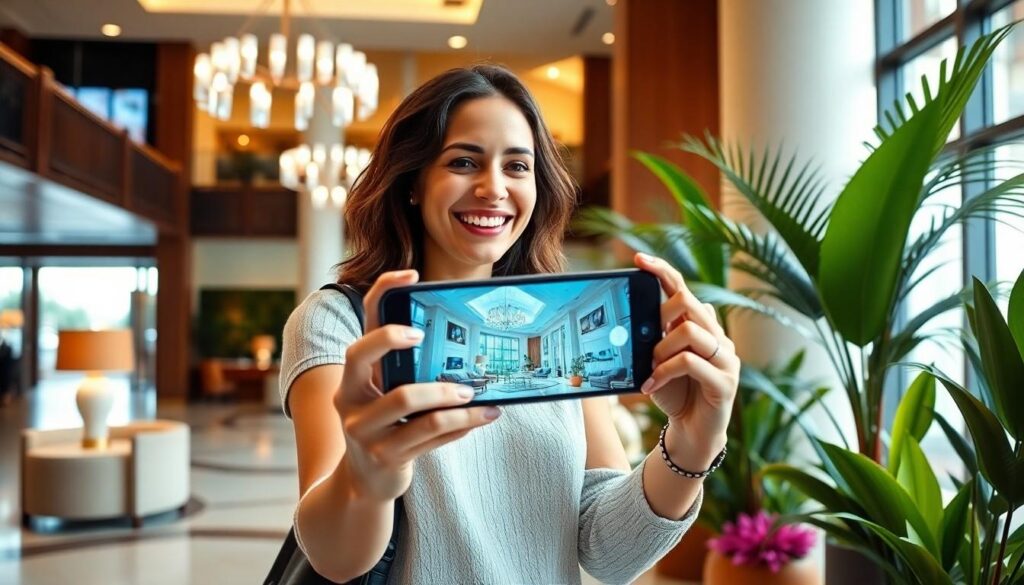
In the bustling world of hospitality, standing out can feel like trying to find a needle in a haystack—or worse, a lost set of hotel keys. Enter social media marketing, the secret sauce that turns ordinary hotels into must-stay destinations. With millions scrolling through their feeds, it’s time for hotels to swap stale brochures for eye-catching posts that make potential guests stop in their tracks.
Overview of Social Media Marketing for Hotels
Social media marketing plays a crucial role in the hotel industry. Engaging content reaches a broader audience, which can lead to more bookings. Platforms like Instagram, Facebook, and Twitter allow hotels to showcase their unique offerings visually. Utilizing high-quality images and captivating stories makes it easier to connect with potential guests.
Different strategies exist within social media marketing, including targeted advertising and user-generated content. Targeted ads increase visibility among demographics likely to book accommodations. User-generated content fosters community engagement, encouraging travelers to share experiences from their stays. Hotels can leverage this content to build credibility and trust among new customers.
Creating a consistent posting schedule enhances engagement. Frequent updates keep potential guests informed about promotions, events, and exclusive offers. Additionally, hotels should interact with followers to build relationships. Responding to comments and messages promptly demonstrates excellent customer service.
Analyzing performance metrics helps hotels optimize their social media strategies. Metrics such as engagement rates, reach, and conversion rates provide insights into effective tactics. Adjustments based on these insights can lead to improved visibility and increased bookings.
Staying updated with the latest trends is essential in social media marketing. Social media platforms often evolve, introducing new features that can be utilized for promotion. Hotels that adapt quickly to these changes can maintain a competitive edge in attracting guests. Overall, social media marketing serves as a powerful tool for hotels aiming to enhance their presence and improve guest acquisition.
Key Platforms for Hotel Marketing

Social media platforms play a vital role in hotel marketing. They offer unique opportunities to engage with potential guests and showcase what makes a hotel special.
Facebook Strategies
Facebook serves as a powerful marketing tool for hotels. By creating a business page, hotels can share updates, promotions, and events with followers. Engaging posts that include high-quality images or videos can capture attention. Running targeted advertising campaigns helps reach specific demographics, maximizing visibility. User-generated content encourages guests to share their experiences and fosters community interaction. Responding promptly to comments and messages builds trust. Regular updates keep followers informed and interested in upcoming offerings.
Instagram Techniques
Instagram excels in visual storytelling, making it ideal for hotels. High-quality images of rooms, amenities, and local attractions enhance appeal. Utilizing Instagram Stories engages followers with behind-the-scenes content. Hashtags improve discoverability, connecting hotels with potential guests searching for related content. Collaborating with influencers exposes hotels to wider audiences. Creating captivating captions encourages user interaction and sharing. Consistent posting maintains visibility and keeps current and potential guests engaged.
Twitter Engagement
Twitter presents a platform for quick communication and updates. Hotels can share news and promotions through concise tweets. Engaging with followers through retweets or replies fosters a sense of community. Utilizing trending hashtags boosts visibility in popular conversations. Sharing real-time updates enhances customer service and encourages interaction. Hosting Twitter chats allows for direct engagement with followers. Posting engaging visual content improves shareability and interaction rates. Regularly analyzing engagement metrics helps refine strategies for better outreach.
Creating Compelling Content
Creating compelling content is essential for driving engagement and attracting potential guests. Hotels can utilize effective strategies to enhance their social media presence, making their offerings more appealing.
Visual Storytelling
Visual storytelling captures the essence of a hotel’s unique experience. High-quality images showcase stunning interiors, picturesque views, and lively events. Use videos to highlight activities and guest experiences, bringing the hotel atmosphere to life. Instagram Stories offer an ideal platform for sharing behind-the-scenes content, creating authenticity. Engaging visuals can evoke emotions, which leads to increased sharing and bookings. Consistently posting visually appealing content helps hotels stand out in a crowded marketplace, making them memorable and inviting to prospective guests.
User-Generated Content
User-generated content fosters community engagement by leveraging authentic guest experiences. Encourage guests to share their photos and reviews on social media, showcasing their stay. Feature this content on hotel profiles to build trust and credibility. Highlights of satisfied guests enjoying their time create relatable narratives. Hotels can run contests that incentivize guests to post using specific hashtags, further expanding their reach. Sharing user-generated content not only enhances brand identity but also strengthens relationships with followers, as it cultivates a sense of belonging within a vibrant community.
Measuring Success in Social Media Marketing
Measuring success in social media marketing is crucial for hotels to understand the effectiveness of their strategies. Tracking specific metrics helps in optimizing campaigns.
Key Performance Indicators
Engagement rates serve as a primary indicator of how well content resonates with audiences. Metrics like likes, comments, and shares provide immediate feedback on posts’ performance. Conversion rates reflect how many viewers take desired actions, such as bookings or inquiries after interacting with social media content. Another important metric is reach, which shows how many people see the hotel’s posts, enhancing visibility strategies. Monitoring follower growth over time indicates audience interest and potential for increased bookings. Evaluating these key performance indicators enables hotels to adjust their marketing tactics for better results.
Tools for Analytics
Numerous analytics tools exist to assist hotels in measuring social media performance. Platforms like Google Analytics track referral traffic from social media channels to hotel websites. Additionally, social media management tools, such as Hootsuite or Buffer, provide insights into engagement and reach metrics. Instagram Insights and Facebook Analytics offer direct analysis of post performance, follower demographics, and engagement levels. Utilizing these tools helps hotels gain deeper insights into audience behavior and preferences. By interpreting the data from these analytics, hotels can refine their marketing strategies for increased effectiveness.
Best Practices for Hotels
Effective social media marketing requires strategic approaches tailored for hotels. Hotels should focus on higher-quality content that showcases unique amenities and experiences. Engaging images and videos of rooms, dining areas, and local attractions entice potential guests. Leveraging user-generated content fosters authenticity and connects with the audience. Encouraging guests to share their experiences can enhance credibility.
Maintaining consistent posting schedules is vital for keeping the audience engaged. Sharing updates about promotions, special events, and local happenings keeps followers informed. Interacting with followers through comments and direct messages builds relationships and loyalty. Recognizing guest feedback—both positive and negative—demonstrates responsiveness and commitment to service.
Each social media platform offers distinct advantages. Facebook allows hotels to share longer updates and engage through comments, fostering a sense of community. Instagram’s focus on visuals provides opportunities for storytelling that captivates. Twitter enables quick interactions, perfect for sharing news or responding to inquiries in real-time.
Analyzing metrics aids in understanding audience engagement. Monitoring key performance indicators like engagement rates and follower growth provides insights into what resonates with guests. Tools such as Google Analytics and social media management platforms assist in tracking these metrics effectively. Data interpretation aids hotels in optimizing campaigns for greater impact and visibility.
Staying current with emerging trends ensures hotels remain competitive. Adapting to new platform features and user preferences can significantly enhance engagement. Incorporating social media advertising allows for targeted outreach, reaching specific demographics more effectively. Overall, these practices position hotels to maximize their social media marketing efforts, leading to increased visibility and bookings.
Conclusion
Social media marketing is an indispensable asset for hotels aiming to thrive in a competitive landscape. By embracing engaging content and leveraging the unique features of various platforms, hotels can effectively showcase their offerings and connect with potential guests.
The emphasis on high-quality visuals and meaningful interactions fosters a sense of community and trust. Regularly analyzing performance metrics ensures that hotels can adapt their strategies for maximum impact.
Staying attuned to the latest trends in social media not only enhances visibility but also drives bookings. With a well-executed social media strategy, hotels can elevate their brand presence and attract a loyal clientele.