
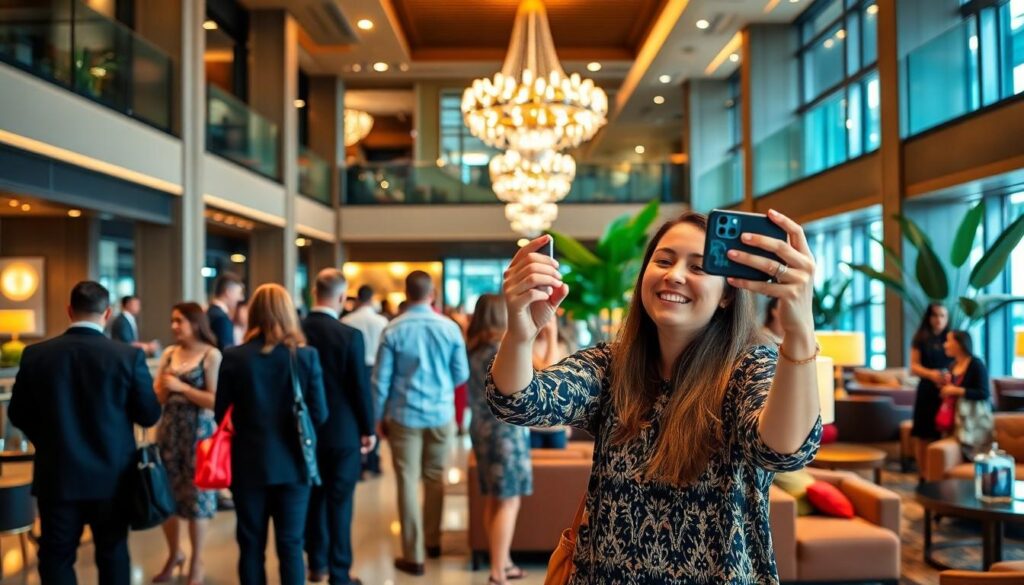
In today’s digital age, social media isn’t just for sharing cat videos and vacation selfies; it’s become a powerhouse for hotel marketing. If a hotel isn’t on social media, it might as well be a ghost town. With potential guests scrolling through their feeds, it’s crucial for hotels to craft engaging content that not only showcases their amenities but also sparks a little wanderlust.
Overview of Hotel Social Media Marketing
Hotel social media marketing plays a vital role in reaching potential guests and building brand awareness. Engaging with audiences on platforms like Instagram, Facebook, and Twitter increases visibility and fosters relationships. Hotels can showcase their unique features, from luxurious rooms to breathtaking views, thereby encouraging bookings.
Content creation stands at the core of effective social media strategies. Posts should consist of high-quality images and engaging captions that reflect the hotel’s personality. Special promotions, events, and local attractions also provide opportunities to capture attention. Consistent posting schedules enhance audience engagement and help build a loyal following.
Response times significantly influence guest perceptions. By promptly addressing comments and inquiries, hotels demonstrate a commitment to customer service. This approach can boost positive reviews and enhance hotel reputation. Monitoring social media analytics allows hotels to refine their strategies and tailor content to audience preferences.
Collaborations with influencers can expand reach. Partnering with travel bloggers or local personalities enables hotels to tap into their followers. Exclusive promotional offers for these partnerships can further stimulate interest.
User-generated content serves as a powerful marketing tool. Encouraging guests to share their experiences increases authenticity and trustworthiness. Hotels can create branded hashtags to facilitate this process, fostering a community of loyal patrons.
Investments in advertising amplify outreach. Targeted ads on platforms like Facebook and Instagram allow hotels to reach specific demographics. These ads can drive traffic to booking pages, ultimately boosting revenue.
Utilizing social media for storytelling enriches the hotel experience. Sharing behind-the-scenes content or staff highlights adds a personal touch, making the brand relatable. Spreading positive stories maintains a strong emotional connection with potential guests.
Importance of Social Media for Hotels

Social media plays a crucial role in hotel marketing. Engaging actively on platforms like Instagram, Facebook, and Twitter is necessary for visibility among potential guests.
Building Brand Awareness
Creating a strong online presence enhances brand recognition. Hotels showcase unique offerings, such as stunning views and exceptional services, helping travelers remember them. Engaging visual content attracts attention and encourages sharing, amplifying reach across networks. Consistent branding and messaging reinforce identity across channels. Hotels gaining followers through compelling posts foster an active online community. Utilizing branded hashtags allows guests to connect experiences with the hotel, expanding visibility.
Engaging With Customers
Responding promptly to guest inquiries encourages interaction. Quick replies indicate dedication to guest satisfaction and contribute to a positive online reputation. Personalizing communications strengthens relationships and enhances loyalty. Engaging customers through interactive content, such as polls and contests, boosts involvement. User-generated content also plays a significant role, as guests sharing their experiences builds trust. Hotels can also encourage reviews and feedback, providing valuable insights into guest preferences. Overall, strong engagement strategies create lasting connections between hotels and their patrons.
Strategies for Effective Hotel Social Media Marketing
Effective hotel social media marketing hinges on strategic content and impactful partnerships. Engaging with potential guests demands creativity and consistency.
Content Creation Tips
Focus on high-quality visuals that showcase the hotel’s best features. Use captivating images of luxurious rooms, stunning views, and inviting common areas to draw attention. Captions should reflect the hotel’s unique personality and evoke feelings of wanderlust. Share stories about local attractions and events to enhance relevance. Consistent posting schedules keep the audience engaged, with three to five posts weekly recommended. Utilize hashtags to increase post visibility, helping to reach a broader audience. Encouraging user-generated content fosters authenticity, as guests share their experiences directly. Highlighting guest testimonials improves credibility and trust.
Utilizing Influencer Partnerships
Collaborating with influencers amplifies a hotel’s reach significantly. Select influencers that align with the hotel’s brand and audience demographic, ensuring authenticity. Compelling partnerships often involve complimentary stays in exchange for exposure on their platforms. Influencers create engaging content, showcasing the hotel in real-time experiences. This fosters an emotional connection with potential guests. Tracking campaign performance through engagement metrics enhances future strategies. Influencer posts generate buzz and social proof, attracting new visitors. Encourage influencers to utilize branded hashtags to create a unified brand narrative. These partnerships also show the hotel’s commitment to contemporary marketing trends.
Measuring Success in Social Media Marketing
Measuring success in social media marketing involves analyzing various metrics and using effective tools. Hotels can gain insights that help refine strategies and boost engagement.
Key Metrics to Track
Engagement rate indicates how well posts resonate with audiences. This metric includes likes, shares, and comments, providing a clear view of content effectiveness. Follower growth reflects the expanding brand presence, showing increasing interest over time. Tracking website traffic from social media channels reveals how many visitors convert, linking engagement efforts to bookings directly. Conversion rate measures the percentage of users taking desired actions, like booking a stay after clicking through. Monitoring customer sentiment through comments and direct messages aids in understanding guest perceptions and improving services.
Tools for Analysis
Google Analytics offers comprehensive tracking of website traffic from social media sources, helping hotels measure the effectiveness of campaigns. Hootsuite provides engagement insights and allows for post-scheduling across multiple platforms. Buffer streamlines content management and gives data on post performance. Sprout Social combines analytics and social listening, offering in-depth reports on audience interactions and sentiment. SEMrush enhances visibility through competitive analysis and keyword tracking across social media. Using these tools allows for data-driven decisions and improved marketing strategies for hotels.
Future Trends in Hotel Social Media Marketing
Emerging trends in hotel social media marketing highlight the increasing importance of video content. Short, engaging videos on platforms like TikTok and Instagram Reels capture attention quickly, showcasing hotel amenities in a dynamic way. Live streaming events, such as virtual tours and Q&A sessions, connect with audiences in real time, creating an immersive experience that encourages immediate booking decisions.
Personalization continues to shape marketing strategies. Customized experiences based on user data allow hotels to target content more effectively, enhancing guest engagement. For instance, tailored promotions and recommendations can resonate more with potential visitors, leading to higher conversion rates.
Integration of augmented reality (AR) and virtual reality (VR) also emerges as a significant trend. Offering virtual room tours or interactive hotel features engages travelers, providing a realistic preview of their stay. This technology enriches the booking process by allowing prospective guests to explore the hotel environment before making a decision.
Utilizing artificial intelligence (AI) for chatbots improves customer service efficiency. Responding to inquiries instantly ensures guests feel valued and informed, reinforcing the hotel’s commitment to exceptional service. Chatbots can also facilitate booking processes, reducing friction for potential customers.
Collaborations with micro-influencers gain traction as well. These influencers often have dedicated followings that trust their recommendations. Partnering with them leads to authentic endorsements, helping hotels reach niche markets while fostering genuine connections with potential guests.
Lastly, sustainability becomes a focal point in marketing efforts. Highlighting eco-friendly practices resonates with environmentally conscious travelers. Hotels that actively promote their green initiatives attract guests who prioritize sustainability in their travel choices, boosting brand loyalty.
Conclusion
Hotel social media marketing is essential for connecting with potential guests and enhancing brand visibility. By leveraging engaging content and maintaining consistent communication, hotels can build meaningful relationships with their audience.
As trends evolve, embracing new formats like video and interactive content will keep hotels relevant and appealing. Monitoring analytics ensures strategies remain effective and tailored to audience preferences.
Ultimately, a strong social media presence not only boosts bookings but also fosters loyalty and trust among guests. Investing in these strategies is crucial for hotels aiming to thrive in a competitive landscape.